Content Information Overview
| Attribute | Details |
| Topic | Audiophile Hi-Fi Speaker Connections & Cable Engineering |
| Primary Keyword | banana plugs |
| Secondary Keywords | viborg, banana plugs for speakers, banana plug speaker wire, speaker banana plugs |
| Featured Brand/Model | Viborg Audiophile Hi-Fi RCA & Connector Technology |
| Target Audience | Audiophiles, Home Theater Enthusiasts, Music Lovers, AV Technicians |
Section 1: Introduction to High-Fidelity Audio Connections
Achieving true high-fidelity (Hi-Fi) sound reproduction requires meticulous attention to every single component along the audio signal chain. While listeners frequently spend significant time selecting high-end amplifiers, floor-standing speakers, and dedicated subwoofers, the critical physical interface connecting these units is often overlooked. Signal transmission integrity depends fundamentally on low electrical resistance, robust shielding, and secure physical contact points.
When audio signals travel from a power amplifier or AV receiver to your loudspeakers, any bottleneck along the wire can alter impedance, induce signal reflections, or introduce unwanted electromagnetic interference (EMI). To guarantee pristine sound reproduction, modern audio setups rely heavily on high-purity conductor materials and standardized termination hardware like banana plugs.
[Amplifier / Receiver Output]
            │
            ▼
┌─────────────────────────┐
│ Viborg High-Purity Wire │
└─────────────────────────┘
            │
            ▼
┌─────────────────────────┐
│   Banana Plug Terminal  │
└─────────────────────────┘
            │
            ▼
[Loudspeaker Binding Post]
Using bare copper wire directly inserted into binding posts was once the standard method for home audio assembly. However, exposed bare copper inevitably oxidizes when exposed to ambient moisture and air, forming a resistive layer that slowly degrades high-frequency clarity. Furthermore, stray copper strands can easily bend outward, creating dangerous short circuits that threaten sensitive amplifier circuitry. Integrating high-quality banana plugs for speakers eliminates these hazards entirely, providing an airtight, oxidation-resistant, and mechanically solid junction between components.
Section 2: Understanding Speaker Connectors & Cable Mechanics
The primary function of any high-end connector is to transfer electrical current without adding capacitance, inductance, or contact resistance. To understand why audio enthusiasts prefer specialized hardware, we must examine the physical physics behind speaker wiring and signal termination.
       +------------------------------------+
       | Standard Bare Wire vs. Connectors  |
       +------------------------------------+
                         │
        ┌────────────────┴────────────────┐
        ▼                                 ▼
┌───────────────┐                 ┌───────────────┐
│ Bare Copper   │                 │ Banana Plugs  │
├───────────────┤                 ├───────────────┤
│ Rapid Oxidation│                │ Airtight Seal │
│ Short Risk    │                 │ 100% Safe     │
│ High Wear     │                 │ Reusable      │
└───────────────┘                 └───────────────┘
Why Mechanical Termination Matters
When audio current leaves an amplifier output stage, it operates across a dynamic range of frequencies—from deep low-end bass frequencies requiring high current, to subtle high-frequency transients that demand fast signal rise times. Poorly secured connections create micro-arcing and unstable resistance variations.
- Contact Pressure: Precision-machined banana plugs utilize spring-loaded leaves or expanding center pins. This design applies constant outward mechanical pressure against the internal surface of the 5-way binding post, guaranteeing maximum surface area contact.
- Corrosion Prevention: Oxygen in the atmosphere reacts with exposed copper strands to produce copper oxide, a compound with significantly lower electrical conductivity than pure metal. By locking your banana plug speaker wire inside a sealed gold-plated or pure copper housing, the conductor remains shielded from environmental degradation.
- Convenience & Safety: Systems requiring periodic reconfiguration, component swapping, or room cleaning benefit immensely from quick-connect connectors. Pulling a secure plug out of a jack takes seconds and eliminates the risk of stray wires touching adjacent terminals.
Section 3: Engineering Excellence with Viborg Audio Components
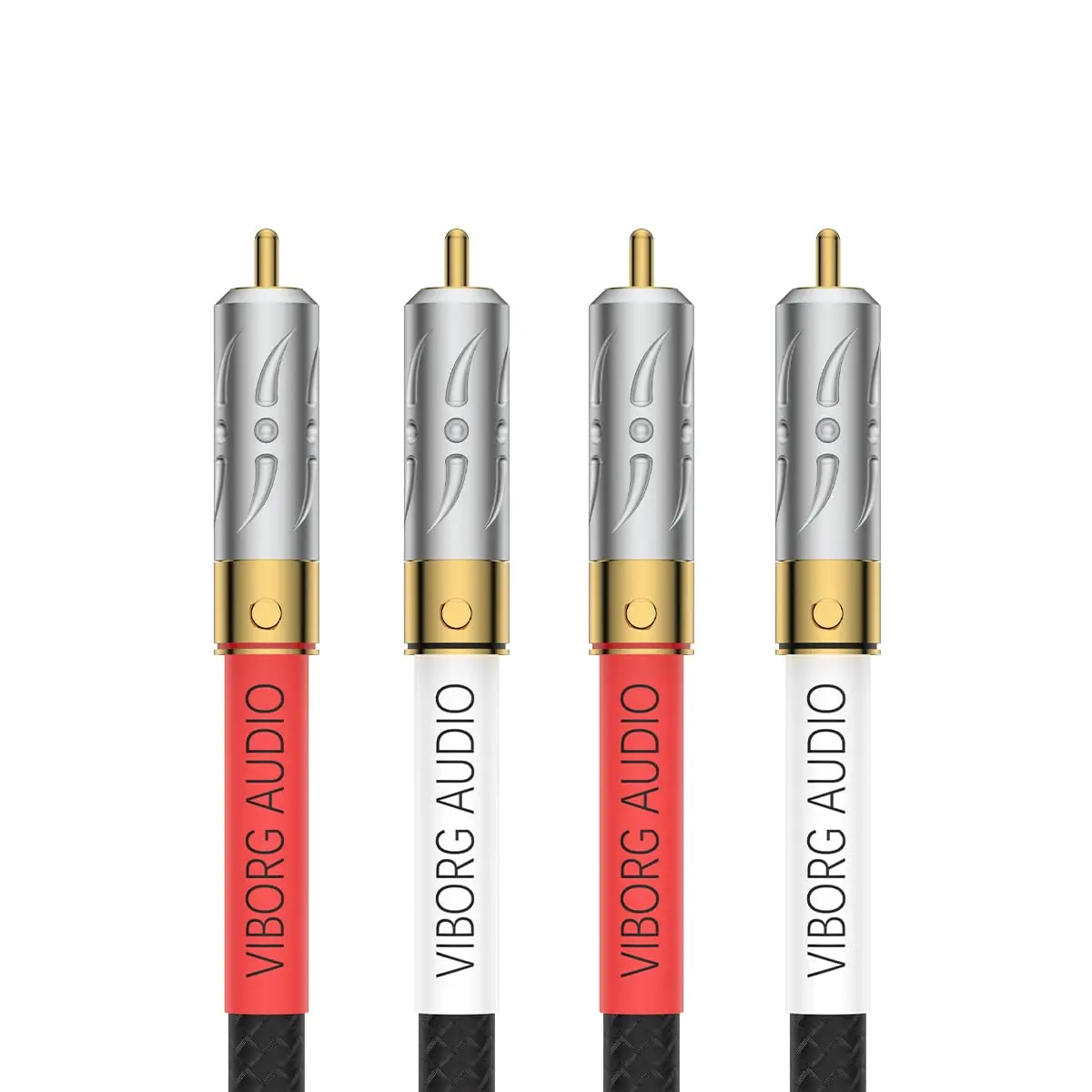
When building an uncompromised sound system, matching your speaker connectors with high-performance audio interconnects is paramount. Precision audio engineering manufacturers like viborg have pioneered advanced metallurgical techniques to eliminate transmission loss across both line-level signal connections and high-current speaker outputs.
    +-------------------------------------------------------------+
    |           Viborg 5N OFC Architecture Cross-Section          |
    +-------------------------------------------------------------+
    | [Outer Jacket] Protective Polyester Braided Sleeving        |
    |   └── [Shielding] 100% Pure Copper EMI/RFI Braid            |
    |         └── [Dielectric] High-Density Insulation            |
    |               └── [Conductor] 99.9998% 5N Oxygen-Free Copper |
    +-------------------------------------------------------------+
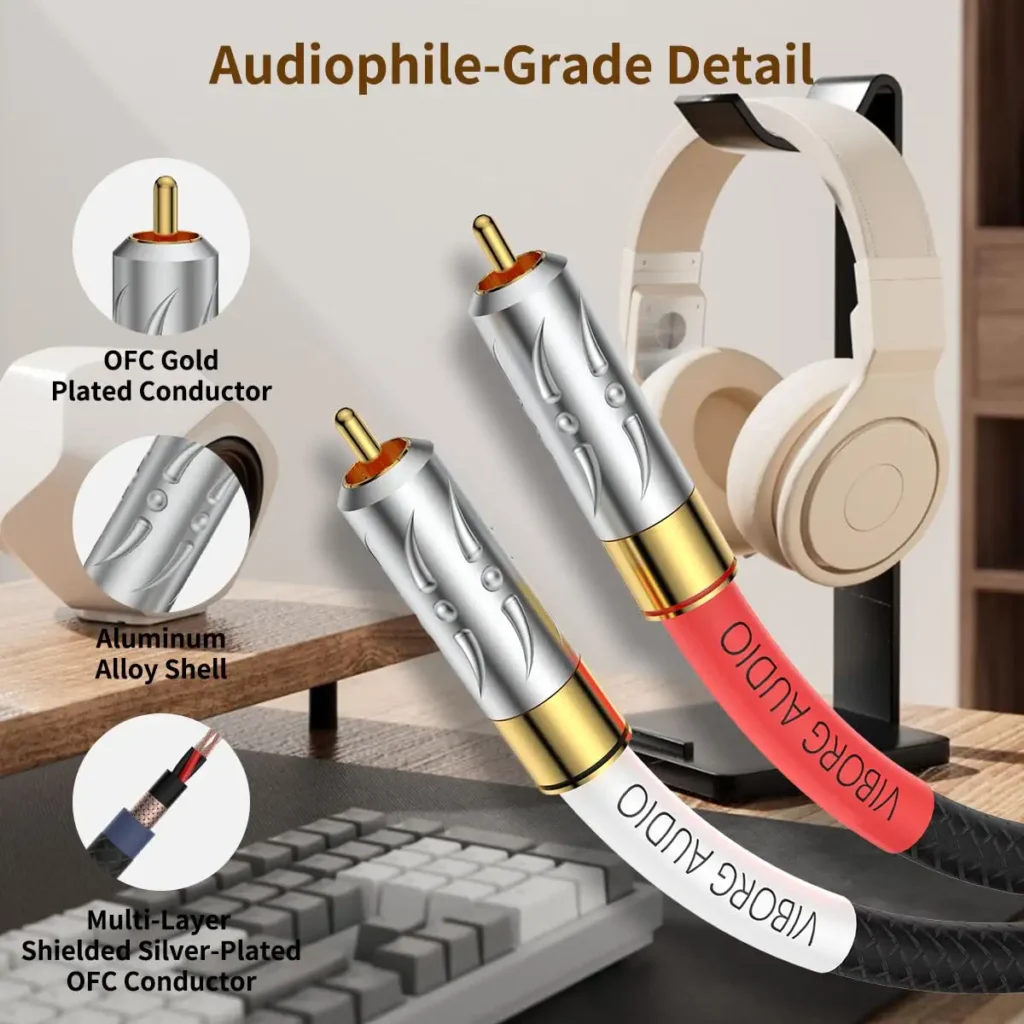
Metallurgical Purity: 5N Oxygen-Free Copper (OFC)
Standard commercial wiring often contains microscopic impurities, oxygen pockets, and crystal boundaries that disrupt electron flow. Viborg audio cables utilize 5N Oxygen-Free Copper featuring a purity level of 99.9998%.
- Zero Signal Compression: The high-purity conductor matrix guarantees that low-frequency audio waves retain their full dynamic energy, preventing low-end muddying.
- Elimination of EMI & Radiation: Surrounded by dense, pure copper shielding, the signal core remains immune to external radio frequency interference (RFI) and electromagnetic fields generated by neighboring power bricks or wireless devices.
- Durability & Flexing: Outer sleeves constructed from high-tensile polyester braided materials pass rigorous bend tests (15,000+ cycles), ensuring that internal conductors never fatigue under heavy installation angles.
Connectors & Plating Metallurgy
Connector housing materials significantly impact the overall audio presentation. High-grade audio connectors employ 24K gold plating directly over high-purity copper bases. Gold possesses exceptional chemical stability, completely preventing surface tarnishing while delivering low electrical resistance. Whether using line-level RCA cables for low-frequency subwoofers or heavy-gauge speaker banana plugs for main floorstanding speakers, precision plating ensures long-term sound stability.
Section 4: Step-by-Step Installation & Wiring Guide
Proper installation technique is critical to securing lossless signal paths. Follow this definitive guide to properly prepare, terminate, and install your audio interconnects and speaker lines.
Step 1: Strip Insulation ──► Step 2: Twist Strands ──► Step 3: Insert Connector ──► Step 4: Lock Fasteners
Materials Needed:
- Multi-strand high-purity speaker cable
- High-grade banana plugs for speakers
- Precision wire strippers
- Small flathead or hex screwdriver (for set-screw style connectors)
- Heat shrink tubing (optional, for color coding and strain relief)
Step 1: Wire Preparation
Carefully strip approximately 1/2 inch (12mm) of outer insulation from your speaker cable using a precision wire stripper. Avoid cutting into any internal copper strands. Once exposed, tightly twist the pure copper strands together in a clockwise direction to form a dense, smooth cylinder.
Step 2: Connector Attachment
Unscrew the outer barrel of the connector housing. Insert the twisted copper wire into the rear entry sleeve of your banana plug speaker wire assembly until the insulated jacket meets the entrance rim. Ensure no loose copper strands protrude past the housing base.
Step 3: Securing the Connection
Most high-performance connectors utilize dual set-screws to lock the wire in place mechanically:
- Tighten the forward screw (closest to the plug tip) firmly against the bare copper conductor to establish maximum metal-to-metal surface contact.
- Tighten the rear screw over the jacket border to act as a robust mechanical strain relief, preventing wire pull-out if the cable is accidentally tugged.
  Dual Set-Screw Lock Mechanism:
  ┌──────────────────────────────────────────────────────────┐
  │  [ Front Screw: Direct Wire Contact ]                   │
  │  [ Rear Screw: Strain Relief / Jacket Clamp ]            │
  └──────────────────────────────────────────────────────────┘
Step 4: Final Inspection & Amplifier Connection
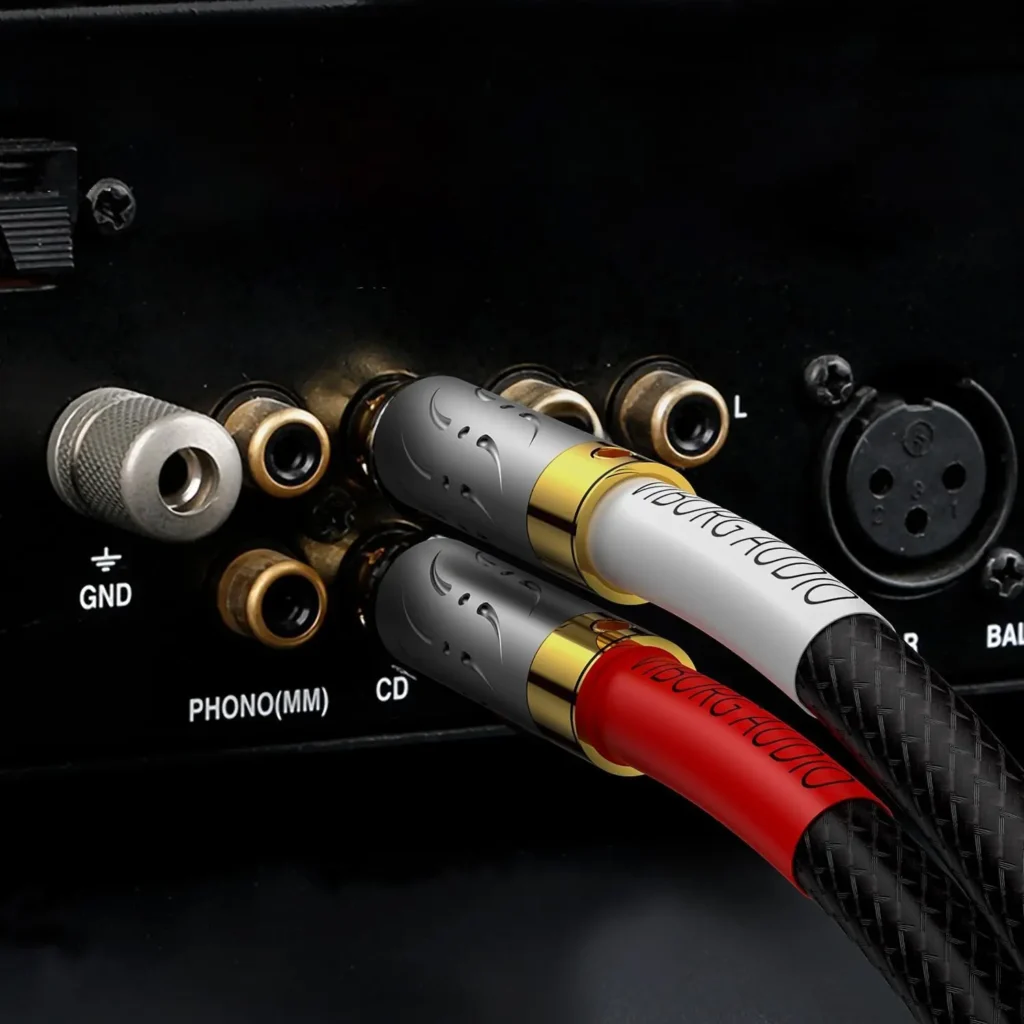
Slide the non-conductive barrel shield back over the assembly. Before connecting your equipment to power, double-check that positive (red) and negative (black) terminals align perfectly across both amplifier outputs and loudspeaker inputs. Firmly push each connector into its corresponding 5-way binding post jack.
Section 5: Audio Cable & Connector Comparison Table
To help select the best connection topology for your home theater or two-channel setup, review the comparative technical breakdown below:
| Feature / Metric | Bare Copper Wire | Standard Spade Terminals | Premium Banana Plugs |
| Contact Surface Area | Variable / Unstable | High (Flat Surface) | High (360° Mechanical Spring) |
| Oxidation Resistance | Low (Exposed Copper) | Moderate | High (24K Gold/Rhodium Plated) |
| Insertion Safety | High Risk of Shorts | Moderate Risk | Zero Short Risk (Insulated Body) |
| Re-usability | Poor (Frays quickly) | Moderate | Excellent (Infinite Plugin Cycles) |
| Ideal Application | Budget / Temporary | Fixed High-Current | Audiophile Hi-Fi / Home Theater |
| Brand Compatibility | Universal | Fits Binding Posts | Universal 4mm Binding Post Standard |
| Installation Speed | Slow / Tedious | Moderate | Rapid (Plug & Play) |
Section 6: Home Theater Setup & Signal Integrity
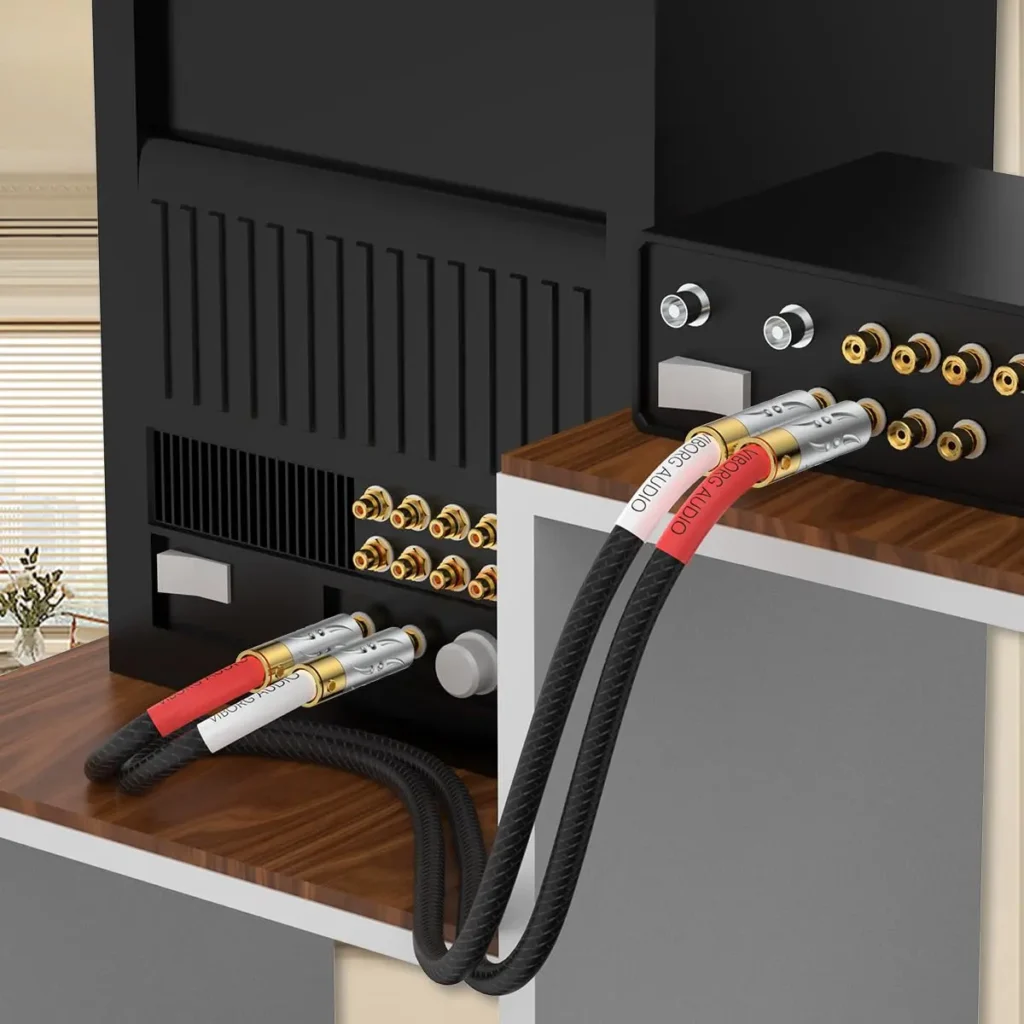
In modern multi-channel home theaters, maintaining pristine signal integrity requires careful handling of both high-power speaker outputs and low-level line interconnects.
       +-------------------------------------------------------+
       |             Multi-Channel Audio Routing               |
       +-------------------------------------------------------+
                                   │
         ┌─────────────────────────┴─────────────────────────┐
         ▼                                                   ▼
┌─────────────────────────┐                         ┌─────────────────────────┐
│  Line-Level Signal Path │                         │  High-Power Speaker Path│
├─────────────────────────┤                         ├─────────────────────────┤
│ High-Shielded RCA       │                         │ Heavy AWG Cable         │
│ Subwoofer Feeds         │                         │ Premium Banana Plugs    │
│ Zero Radiation          │                         │ Low Internal Impedance  │
└─────────────────────────┘                         └─────────────────────────┘
Managing Low-Frequency Subwoofer Interconnects
Subwoofer audio channels carry intense, low-frequency acoustic information that is highly susceptible to ground loops and low-frequency hum. Using double-shielded, solid-core 5N OFC cables guaranteed by viborg prevents ambient AC mains hum (50Hz/60Hz) from entering the signal path.
- Security Locking Mechanisms: High-end RCA connectors feature rotating security lock sleeves that tighten around the female chassis jack, guaranteeing zero mechanical vibration wobble even during high SPL bass passages.
- Wide-Spectrum Transmission: Wide-bandwidth cables allow deep, chest-thumping low-end frequencies down to 10Hz without phase delay or signal attenuation.
Power Distribution to Surround Speakers
When running long wire distances to surround or ceiling speakers, conductor resistance becomes a critical factor. Thicker wire gauges paired with dedicated speaker banana plugs minimize damping factor degradation in the amplifier, ensuring tight, controlled woofer movement across all sound channels.
Section 7: Buyer’s Guide & Cable Maintenance
Selecting the correct accessories for your sound system requires balancing acoustic goals, room ergonomics, and component compatibility.
       +----------------------------------------------------+
       |          Audiophile Setup Checklist                |
       +----------------------------------------------------+
       | [ ] Verify 4mm Standard Binding Posts              |
       | [ ] Select 5N OFC Low-Resistance Speaker Cables     |
       | [ ] Match Plating Types (Gold to Gold)             |
       | [ ] Verify Dual Set-Screw Strain Relief            |
       | [ ] Clean Connections Annually with DeoxIT         |
       +----------------------------------------------------+
Material Considerations: Gold vs. Rhodium vs. Silver
- Gold Plating: Excellent resistance to corrosion, warm acoustic balance, highly reliable for long-term domestic installations.
- Rhodium Plating: Extreme physical hardness, resistant to scratching during frequent plug swapping, highly detailed high-frequency response.
- Pure Copper: Lowest absolute electrical resistance, though requires tight sealing or plating to avoid ambient air oxidation.
Cable Care and Routine Maintenance
Even high-end audio hardware requires minimal periodic maintenance to remain in peak condition:
- DeoxIT Cleaning: Once every year, disconnect all banana plugs for speakers and wipe down the metal contact surfaces using a specialized electronics contact cleaner to remove microscopic airborne oils or dust accumulation.
- Cable Strain Relief: Ensure cables hang naturally without sharp 90-degree bends immediately exiting the rear of the amplifier panel.
- Vibration Isolation: Keep signal-level cables separated from high-voltage AC power cords by crossing them at 90-degree angles whenever crossing is unavoidable.
Section 8: banana plugs Frequently Asked Questions (FAQ)
Q1: Do banana plugs improve overall audio quality compared to bare wire?
A: While a freshly stripped bare wire connection offers good conductivity initially, it degrades quickly due to copper oxidation and fraying. High-quality banana plugs maintain an airtight, oxidation-free interface, guaranteeing consistent, optimal audio performance over years of use without signal degradation.
Q2: Are Viborg audio connectors compatible with standard AV receivers?
A: Yes. Premium connectors engineered by viborg adhere strictly to international consumer audio standards. Their 4mm speaker terminations fit virtually all standard 5-way binding posts found on modern AV receivers, integrated amplifiers, and loudspeakers.
Q3: What wire gauge works best when assembling a banana plug speaker wire setup?
A: Most high-grade connectors accommodate wire gauges ranging from 10 AWG (thick audiophile grade) to 18 AWG. For optimal low-frequency power transfer and minimal resistance, 12 AWG or 14 AWG multi-strand 5N OFC wire is recommended.
Q4: Can I use speaker banana plugs on active subwoofers?
A: Active subwoofers receive line-level signals via RCA interconnects rather than high-power speaker wire. However, if your subwoofer features high-level (speaker level) inputs and outputs, you can easily use speaker banana plugs to pass through the amplified signal from your receiver.
Q5: Why is pure copper shielding critical for line-level audio cables?
A: Line-level signals carry minute voltage levels that are easily corrupted by electromagnetic interference from nearby power cables, Wi-Fi routers, and electronics. High-density 100% pure copper shielding redirects environmental noise safely to ground before it can enter the audio signal stream.
Final Technical Summary
Investing in high-grade signal architecture—from 5N Oxygen-Free Copper interconnects to precision-machined banana plugs—guarantees that your sound system operates at its peak potential. By eliminating contact oxidation, securing tight mechanical contact, and insulating sensitive audio streams from external noise, high-performance connectors and cables preserve every subtle musical detail intended by the sound engineer. Whether upgrading a dedicated two-channel stereo system or assembling an immersive home theater surround setup, utilizing trusted hardware like viborg cables and premium banana plugs for speakers offers the ultimate foundation for uncompromised acoustic fidelity.